

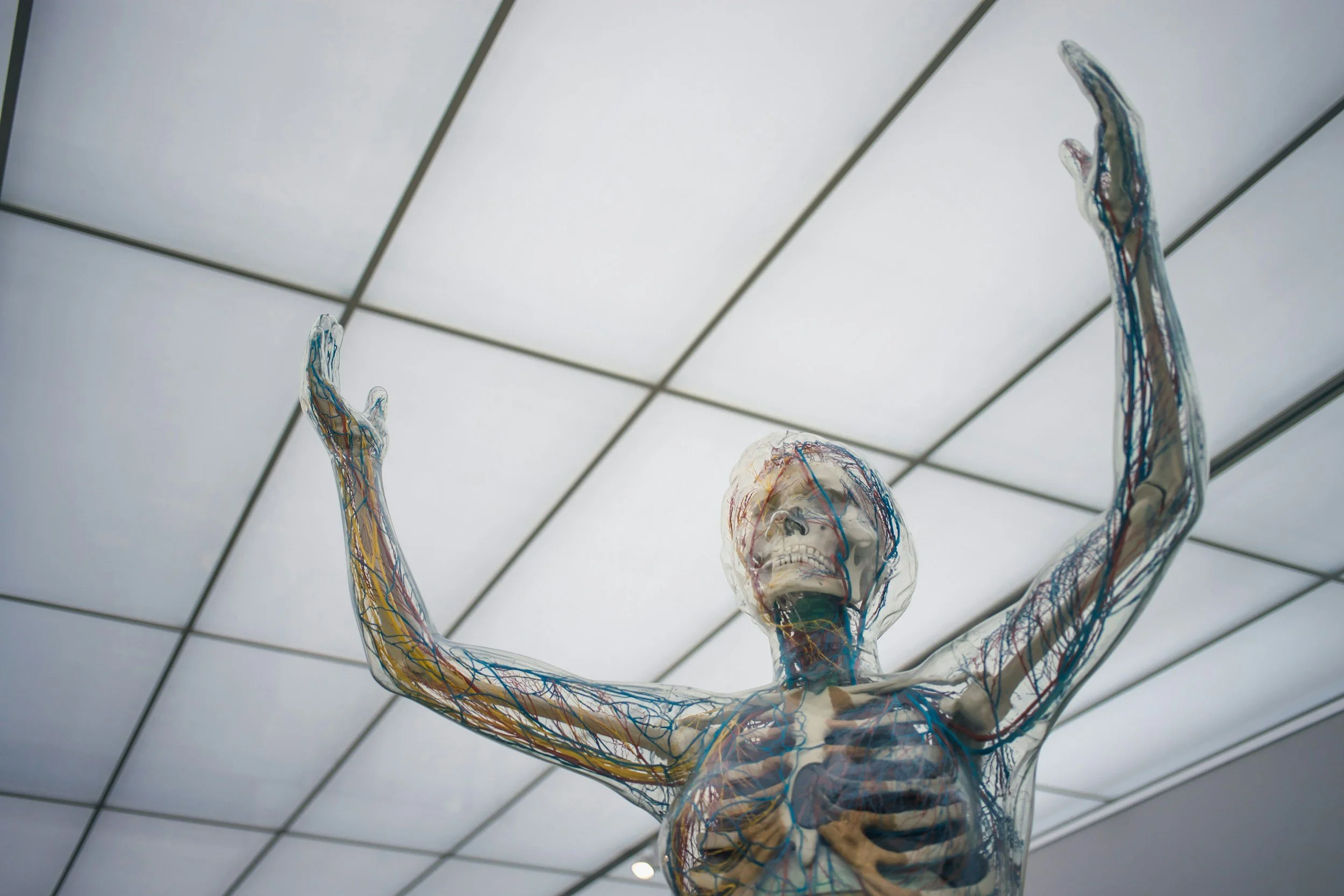
Physiatry (Physical Medicine & Rehabilitation) at Unify Health
Physiatry, also known as Physical Medicine & Rehabilitation (PM&R), is a medical specialty focused on diagnosing and treating conditions that affect muscles, joints, nerves, and the spine. A physiatrist is a physician trained to manage pain, restore function, and improve mobility without surgery whenever possible. The emphasis is on helping patients return to work, sport, and daily activities safely and efficiently.
How does a doctor become a Physiatrist?
Physiatrists complete medical school followed by a five-year Royal College–accredited residency in Physical Medicine & Rehabilitation, with comprehensive training in neurology, musculoskeletal medicine, electrodiagnostics (EMG/NCS), spasticity management, image-guided injections, and complex pain care. Unlike physiotherapists, who provide essential rehabilitative therapy, physiatrists are physicians who diagnose medical pathology, order and interpret advanced imaging and nerve studies, prescribe medications, and perform procedures. Compared with neurologists or anesthesiologists—whose training focuses primarily on central nervous system disease or perioperative and interventional pain care—physiatrists specialize in functional restoration, integrating medical management with rehabilitation strategies to optimize recovery.
At Unify Health, our physiatrists bring this physician-level diagnostic expertise together with a coordinated team of therapists and specialists, ensuring patients receive comprehensive, non-surgical, function-focused care under one roof
What Conditions Do Physiatrists Treat?
Physiatrists commonly assess and manage:
Neck and low back pain (including disc-related and nerve-related pain)
Shoulder, hip, and knee pain
Osteoarthritis
Tendinopathy and overuse injuries
Sports injuries
Nerve entrapments (e.g., carpal tunnel syndrome)
Peripheral neuropathy
Chronic pain conditions
Work-related and motor vehicle accident injuries
Weakness, numbness, or unexplained limb symptoms
They are particularly helpful when pain persists despite physiotherapy or conservative treatment, or when the diagnosis is unclear.
Diagnostic Expertise
Physiatrists are trained in detailed musculoskeletal and neurological examination. When appropriate, they may perform electrodiagnostic testing (EMG and nerve conduction studies) to evaluate nerve injuries, radiculopathy, or muscle disorders. This can clarify whether symptoms are coming from the spine, a peripheral nerve, or another source.
Ultrasound may also be used in clinic to assess tendons, joints, and soft tissues in real time.
Non-Surgical Treatment Options
Physiatrists focus on evidence-based, non-operative management strategies. Treatment plans may include:
Individualized exercise and rehabilitation programs
Image-guided joint or soft tissue injections
Hyaluronic acid injections for osteoarthritis
Selected biologic therapies where appropriate
Peripheral nerve blocks
Medication optimization for pain control
Bracing or orthotic recommendations
When surgery is indicated, physiatrists work closely with orthopaedic and surgical colleagues to ensure appropriate referral and coordinated care.
Integrated Care at Unify Health
At Unify Health, physiatry is part of a collaborative multidisciplinary model. Patients may benefit from coordinated care alongside family medicine, internal medicine, cardiology, podiatry/chiropody, and rehabilitation services. This integrated approach allows for streamlined referrals, quicker diagnostics, and comprehensive treatment planning under one roof.
Referral & Coverage
A referral from a physician or nurse practitioner is required to see a physiatrist. Consultations and medically necessary studies are covered by OHIP. Certain advanced injectable therapies such as Platelet Rich Plasma and Hyaluronic Acid Injections may not be covered by OHIP.